XML technologies / XSL-FO / Reference / Attributes in XSL-FO / padding-end.length
(Excerpt from "XSL-FO ― Die Referenz" by Manuel Montero Pineda & Steffen Herkert, 2016, dpunkt.verlag)
A | B | C | D | E | F | G | H | I | J | K | L | M | N | O | P | Q | R | S | T | U | V | W | X | Y | Z
Recommendation section: 7.8.34
Category: 7.8 Common Border, Padding and Background Properties
Description
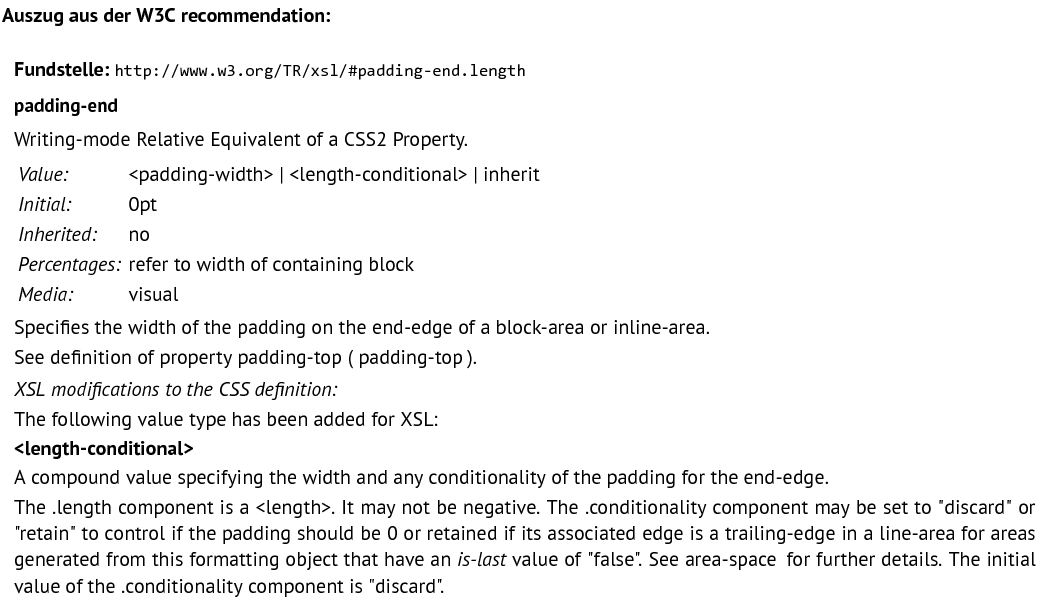
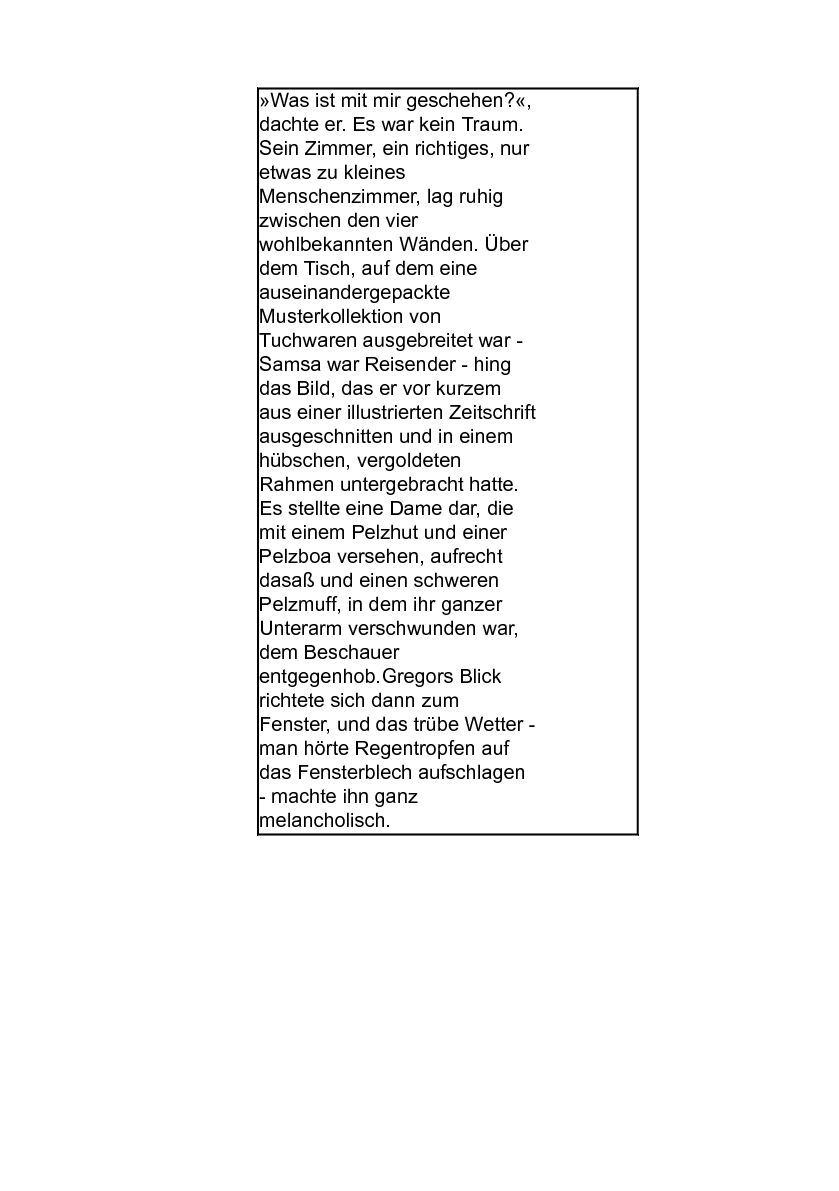
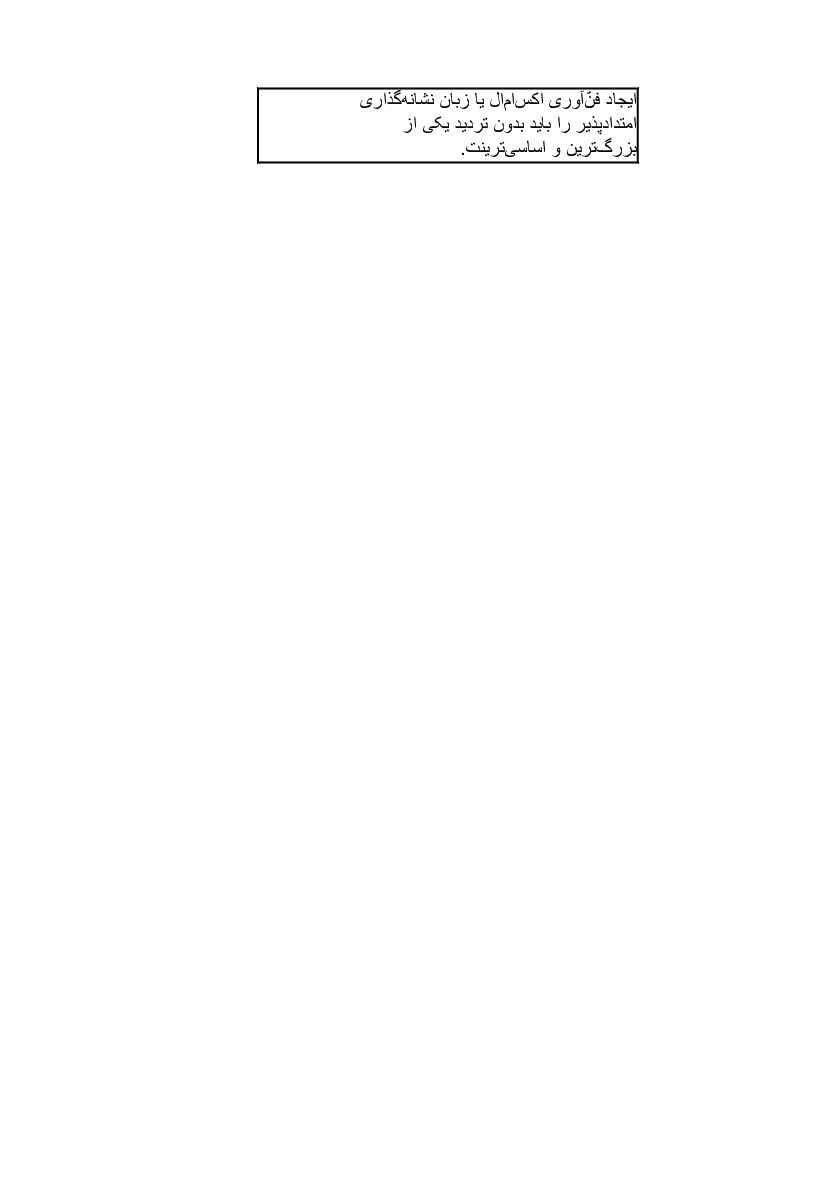
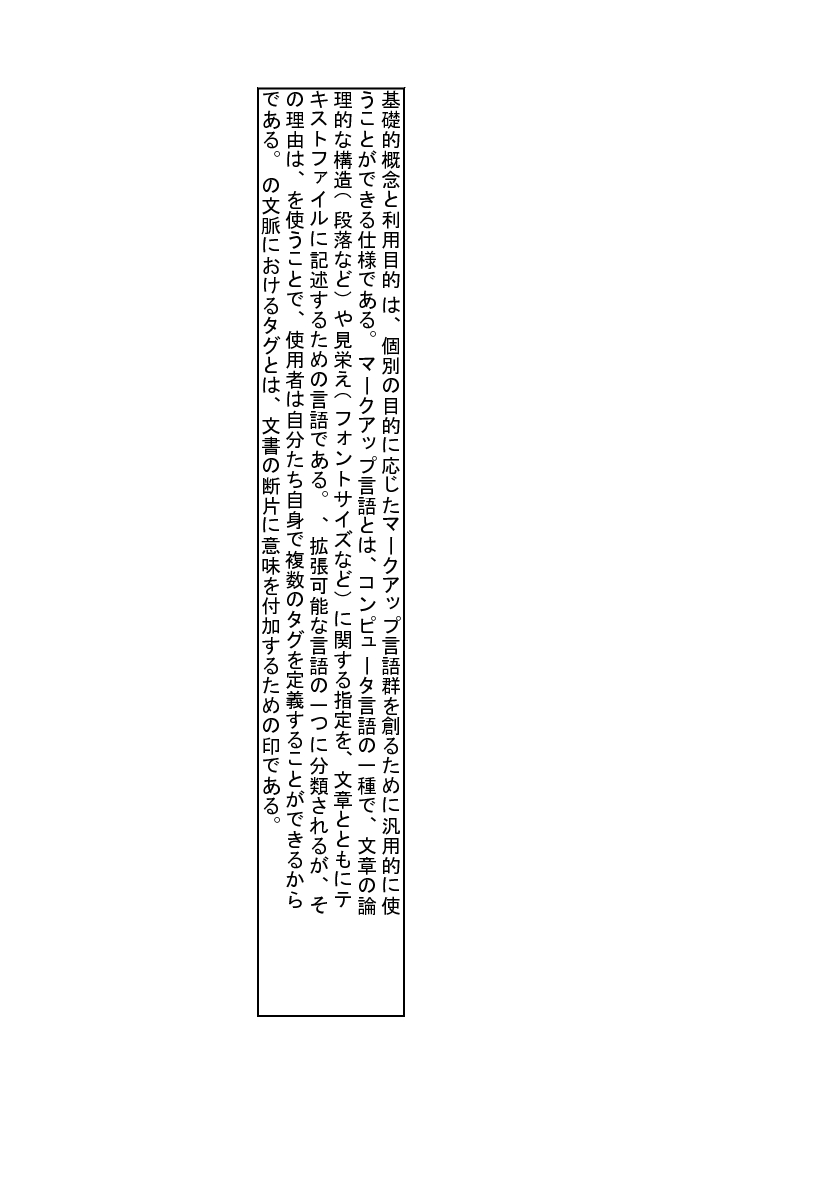
Padding is the space inside an area: the distance from the content to the border. (The border need not be visible.) An element can have a padding-end.length attribute specifying the space to the right border, depending on the writing direction selected by writing-mode. With lr-tb (within lines: left to right; lines: top to bottom) and rl-tb (within lines: right to left; lines: top to bottom), padding-end.length remains the space to the right border. With tb-rl (within columns: top to bottom; columns: right to left), it refers to the space to the left border. It therefore always concerns the border parallel to the line or column that closes the area.
Values
Length | A length consisting of a number and a unit. Common units are mm, pt, px, cm and pc. |
Default value: 0pt
XSL-FO version: 1.0
Allowed in:
<fo:basic-link> , <fo:block> , <fo:block-container> , <fo:character> , <fo:external-graphic> , <fo:initial-property-set> , <fo:inline> , <fo:inline-container> , <fo:instream-foreign-object> , <fo:leader> , <fo:list-block> , <fo:list-item> , <fo:page-number> , <fo:page-number-citation> , <fo:page-number-citation-last> , <fo:region-after> , <fo:region-before> , <fo:region-body> , <fo:region-end> , <fo:region-start> , <fo:scaling-value-citation> , <fo:table> , <fo:table-and-caption> , <fo:table-body> , <fo:table-caption> , <fo:table-cell> , <fo:table-column> , <fo:table-footer> , <fo:table-header> , <fo:table-row> and <fo:title>
Support:
Conformance level | Antenna House | FOP | RenderX XEP | Altsoft XML2PDF | Compart DocBridge |
Basic | Y | Y | Y | Y | Y |
XSL-FO example:
<fo:root font-family="Arial" font-size="10pt" line-height="1.2em" xmlns:fo="http://www.w3.org/1999/XSL/Format" xmlns:cpfo="http://www.compart.net/xmlns/cpfo" xmlns:svg="http://www.w3.org/2000/svg" xmlns:axf="http://www.antennahouse.com/names/XSL/Extensions">
<fo:layout-master-set>
<fo:simple-page-master master-name="Inhalt-Seiten" margin="0mm 0mm 0mm
0mm" page-height="210mm" page-width="148mm">
<fo:region-body margin="15mm 35mm 30mm
45mm"/>
</fo:simple-page-master>
</fo:layout-master-set>
<fo:page-sequence master-reference="Inhalt-Seiten">
<fo:flow flow-name="xsl-region-body">
<fo:block-container writing-mode="lr-tb">
<fo:block margin="1pt" padding-end.length="50pt" border-color="black" border-width="1pt" border-style="solid">
»Was ist mit mir geschehen?«, dachte er. Es war kein Traum. Sein Zimmer, ein
richtiges, nur etwas zu kleines Menschenzimmer, lag ruhig zwischen den vier
wohlbekannten Wänden. Über dem Tisch, auf dem eine auseinandergepackte
Musterkollektion von Tuchwaren ausgebreitet war - Samsa war Reisender - hing das
Bild, das er vor kurzem aus einer illustrierten Zeitschrift ausgeschnitten und in
einem hübschen, vergoldeten Rahmen untergebracht hatte. Es stellte eine Dame dar,
die mit einem Pelzhut und einer Pelzboa versehen, aufrecht dasaß und einen schweren
Pelzmuff, in dem ihr ganzer Unterarm verschwunden war, dem Beschauer
entgegenhob.Gregors Blick richtete sich dann zum Fenster, und das trübe Wetter - man
hörte Regentropfen auf das Fensterblech aufschlagen - machte ihn ganz
melancholisch.
</fo:block>
</fo:block-container>
<fo:block-container writing-mode="rl-tb">
<fo:block margin="1pt" padding-end.length="50pt" border-color="black" border-width="1pt" border-style="solid" page-break-before="always">
ایجاد فنّآوری
اکسامال یا زبان نشانهگذاری امتدادپذیر را باید بدون تردید یکی از بزرگترین و
اساسیترینت.
</fo:block>
</fo:block-container>
<fo:block-container writing-mode="tb-rl">
<fo:block margin="1pt" padding-end.length="50pt" border-color="black" border-width="1pt" page-break-before="always" border-style="solid">
基礎的概念と利用目的 は、個別の目的に応じたマークアップ言語群を創るために汎用的に使うことができる仕様である。
マークアップ言語とは、コンピュータ言語の一種で、文章の論理的な構造(段落など)や見栄え(フォントサイズなど)に関する指定を、文章とともにテキストファイルに記述するための言語である。
、拡張可能な言語の一つに分類されるが、その理由は、を使うことで、使用者は自分たち自身で複数のタグを定義することができるからである。
の文脈におけるタグとは、文書の断片に意味を付加するための印である。
</fo:block>
</fo:block-container>
</fo:flow>
</fo:page-sequence>
</fo:root>In the output:
Page 2
Page 3
Excerpt from the W3C Recommendation: